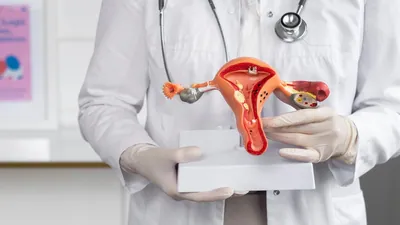
What is PMOS? Understanding the New Name For decades, healthcare providers and patients knew it as PCOS (Polycystic Ovary Syndrome). In 2026, a landmark global consensus study published in The Lancet officially renamed the condition to Polyendocrine Metabolic Ovarian Syndrome (PMOS). This change reflects a more accurate understanding of the condition and its widespread impact on multiple body systems, not just the ovaries. PMOS is a hormonal imbalance affecting approximately 1 in 8 women of reproductive age worldwide—over 170 million women globally. The new terminology better captures the complexity of the condition, which involves the endocrine system, metabolic function, reproductive health, skin, and psychological well-being. At Atharva Infertility Centre in Nashik, we've adopted the latest clinical terminology to provide accurate diagnosis and comprehensive care for women with PMOS.
Why Was the Name Changed?
The old name, PCOS, was misleading. It emphasized ‘polycystic’ (multiple cysts), suggesting the condition’s primary feature was ovarian cysts. However, research showed this was inaccurate. The condition is fundamentally a metabolic and hormonal disorder, not primarily a gynecological one.
This naming confusion led to serious consequences: up to 70% of women experienced delayed diagnosis, fragmented care from multiple specialists, and social stigma. The new name, PMOS, directly addresses these issues by highlighting the condition’s true nature.
Polyendocrine: Recognizes multiple interacting hormonal disturbances including insulin resistance, excess androgens, and neuroendocrine dysfunction—not an isolated ovarian problem.
Metabolic: Acknowledges inherent metabolic complications like insulin resistance, weight management challenges, and increased risk of type 2 diabetes and cardiovascular disease.
Ovarian: Continues to recognize the ovaries’ role without overemphasizing reproductive aspects as the defining feature.
1
Key Symptoms of PMOS
PMOS symptoms vary widely among women. Some experience obvious signs early, while others remain asymptomatic until seeking fertility treatment. Common manifestations include: • Irregular or absent periods – Unpredictable cycles disrupting family planning • Fertility challenges – Difficulty conceiving due to anovulation • Excess androgen symptoms – Excess facial hair (hirsutism), body hair, acne • Weight management difficulties – Insulin resistance makes weight loss challenging • Skin changes – Darkening (acanthosis nigricans), hair loss • Mental health concerns – Higher rates of anxiety and depression
2
Understanding PMOS Causes
The exact cause remains under research, but scientists have identified key contributing factors. Insulin resistance plays a central role—the pancreas produces excessive insulin, signaling ovaries to produce abnormally high levels of androgens. This hormonal disruption prevents normal egg release and drives many secondary symptoms. Genetic predisposition also plays a role; PMOS often runs in families. Chronic low-grade inflammation, lifestyle factors (diet, stress, sedentary habits), and obesity further complicate the condition. Modern research shows PMOS is multifactorial, requiring personalized treatment approaches.
3
Diagnosis and Testing
PMOS diagnosis requires a comprehensive evaluation. Healthcare providers assess at least two of three criteria: irregular menstrual cycles, clinical or biochemical signs of excess androgens (acne, hair growth, elevated hormone levels), or characteristic ovarian appearance on ultrasound. Diagnostic tests typically include pelvic ultrasound, hormone panels (androgens, LH, FSH), fasting glucose and insulin levels, and sometimes lipid panels. Early diagnosis significantly improves treatment outcomes and quality of life.
4
PMOS Treatment Options
Treatment is individualized based on symptoms and reproductive goals. Lifestyle modifications form the foundation—a balanced diet, regular exercise, and maintaining a healthy weight can significantly improve insulin sensitivity and regulate periods. Medication options include metformin (improves insulin processing), hormonal contraceptives (regulate cycles), anti-androgen medications (reduce excess hair and acne), and fertility drugs for those planning pregnancy. Advanced treatments like ovulation induction and IVF are available when other approaches don't achieve conception.
5
Why Choose Atharva for PMOS Care?
Atharva Infertility Centre uses the latest terminology and evidence-based protocols for PMOS management. Our specialists understand this is a complex, multisystem condition requiring coordinated care across endocrinology, reproductive health, and overall wellness. We develop personalized treatment plans addressing your specific symptoms and goals. Whether you're seeking regular cycles, fertility treatment, or symptom management, our compassionate team is here to help you reclaim control of your health.
6
Take Action Today
If you suspect you have PMOS or struggle with irregular periods, fertility challenges, or hormonal symptoms, don't delay. Early intervention dramatically improves outcomes. Contact Atharva Infertility Centre in Nashik to schedule a comprehensive evaluation with our specialists experienced in managing PMOS.
Having a child in life is a blessing and preparing to bring one needs effort from both partners. Standing together at every life stage will help you better sail through the hard times. Your physical and mental wellbeing during the IVF process can enhance your chances of having a successful pregnancy and enjoying parenthood.