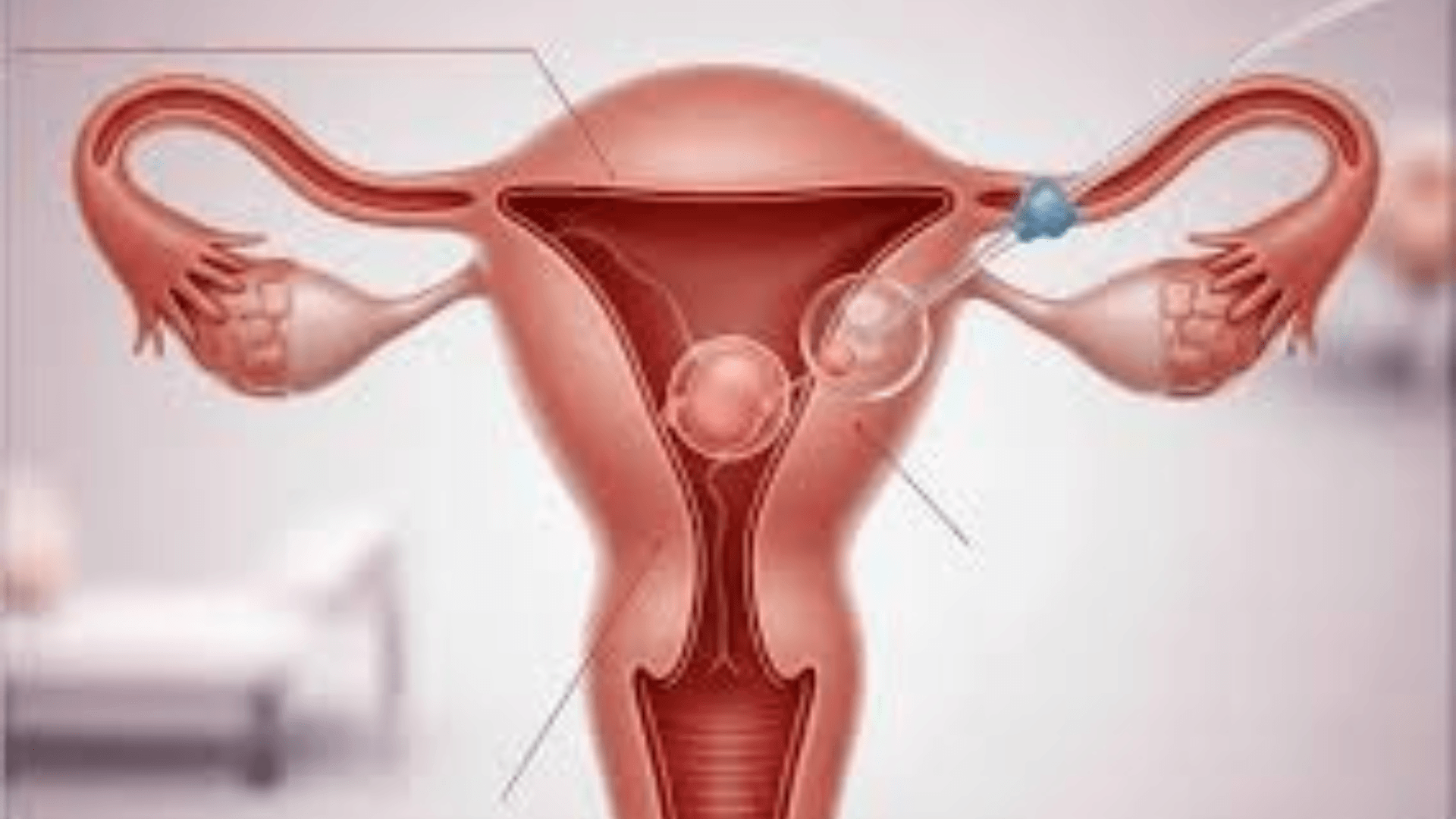
The diagnosis of an ectopic pregnancy or the surgical removal of a fallopian tube (Salpingectomy) can be emotionally and physically draining. However, the medical reality is encouraging: losing a tube does not mean losing your chance at motherhood. This guide explores the physiological changes, success rates, and advanced reproductive options available today.
Can You Conceive with Only One Fallopian Tube?
Pregnancy After Fallopian Tube Removal:Complete Guide to Success & IVF
The Short Answer: Yes. If your remaining tube is healthy and your partner’s sperm count is normal, your chances of natural conception remain high. Many believe that removing one tube cuts fertility by 50%, but human biology is more adaptive.
- Contralateral Pick-up: Remarkably, the remaining fallopian tube can often “reach over” and pick up an egg released from the opposite ovary.
Natural Success Rate: Studies suggest that women with one healthy tube still retain about 70-80% of their original fertility potential.
1
When Both Tubes Are Removed (Bilateral Salpingectomy)
If both tubes are removed due to recurring ectopic pregnancies, severe infection, or Hydrosalpinx, natural conception is no longer possible because the "bridge" between the egg and sperm is gone. The Solution: IVF (In Vitro Fertilization) IVF was originally invented specifically for "Tubal Factor Infertility." How it works: Eggs are retrieved directly from the ovaries, fertilized in a lab, and the resulting embryo is placed directly into the uterus. Success Rate: Tubal factor patients often have the highest success rates in IVF because their uterine environment and egg quality are usually unaffected.
2
The Hidden Barrier: Understanding Hydrosalpinx
One of the most overlooked causes of infertility is Hydrosalpinx—a condition where a blocked tube fills with fluid.
Why Hydrosalpinx is Dangerous Clinical Impact Toxic Fluid The fluid inside the tube is toxic to embryos. Backflow This fluid can leak back into the uterus, preventing implantation. IVF Failure Research shows Hydrosalpinx can reduce IVF success rates by 50%.
Clinical Recommendation: Most fertility specialists recommend removing a hydrosalpinx-affected tube before starting an IVF cycle to double the chances of a healthy pregnancy.
3
Risks of Recurrence
If you have had one ectopic pregnancy, you are at a slightly higher risk for another. Statistics: The risk of a repeat ectopic pregnancy is approximately 10-15%. Proactive Step: As soon as you get a positive pregnancy test, schedule a Beta-hCG blood test and an early ultrasound (5-6 weeks) to confirm the embryo is in the uterus
4
Diagnostic Checklist for Future Planning
Before trying to conceive again, ensure your reproductive health is mapped out with these tests: HSG (Hysterosalpingogram): An X-ray test to ensure the remaining tube is open and healthy. AMH (Anti-Müllerian Hormone): To check your ovarian reserve (egg count). Pelvic Ultrasound: To rule out any uterine abnormalities or scarring.
5
Frequently Asked Questions (SEO Snippets)
How long should I wait to try for a baby after surgery? Most surgeons recommend waiting 2 to 3 menstrual cycles. This allows the internal inflammation to subside and your hormones to regulate. Does the side of ovulation matter if I only have one tube? Ideally, you want to ovulate from the side with the healthy tube. However, because tubes are mobile, pregnancy can still happen even if you ovulate from the "tubeless" side. Is IVF safe after a Salpingectomy? Yes. In fact, removing damaged tubes can sometimes make IVF safer by removing sources of infection or toxic fluid (Hydrosalpinx).
6
Conclusion: The Path Forward
Whether through natural conception with one tube or the advanced technology of IVF, the path to parenthood remains open. The key is early diagnosis and specialized care. Are you planning to conceive after a tubal surgery? Consult a reproductive endocrinologist to assess your remaining tube and create a personalized fertility roadmap.
Having a child in life is a blessing and preparing to bring one needs effort from both partners. Standing together at every life stage will help you better sail through the hard times. Your physical and mental wellbeing during the IVF process can enhance your chances of having a successful pregnancy and enjoying parenthood.