


Introduction
Male infertility is a common yet often overlooked cause of difficulty in conception. When natural fertilization becomes challenging due to sperm-related issues, advanced reproductive technologies provide hope.
Intracytoplasmic Sperm Injection (ICSI) is a highly specialized fertility procedure designed to improve fertilization outcomes in cases of severe male infertility or previous IVF failure.
At Atharva Infertility Centre, Nashik, ICSI treatment is performed using advanced laboratory infrastructure, evidence-based protocols, and personalized fertility planning to ensure optimal outcomes for every couple.
What is ICSI?
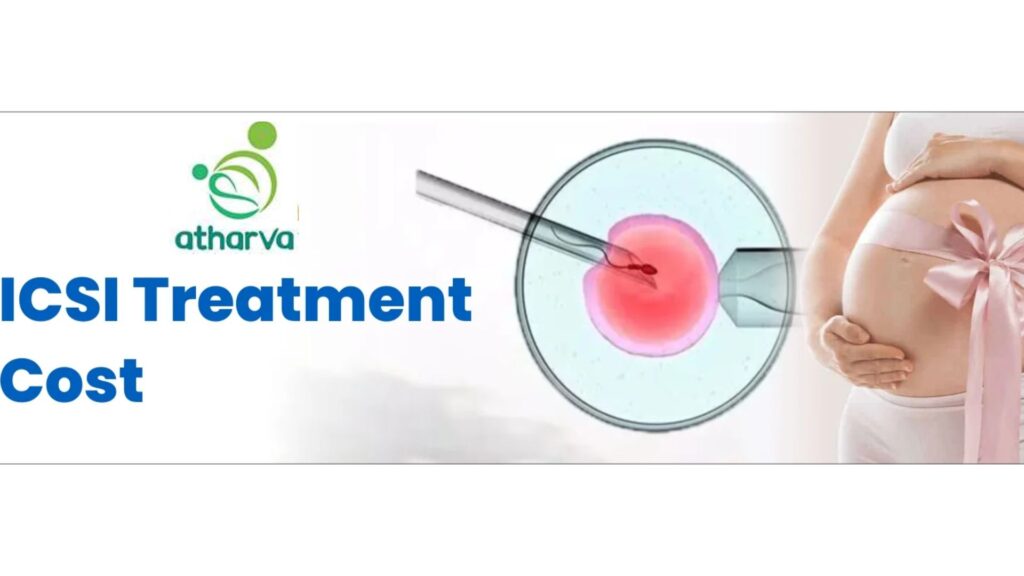
ICSI (Intracytoplasmic Sperm Injection) is an advanced form of assisted reproductive technology (ART) in which a single healthy sperm is directly injected into a mature egg under high magnification using micromanipulation equipment.
This technique bypasses natural barriers to fertilization and is particularly beneficial when sperm quality or quantity is compromised.
ICSI is performed as part of an IVF cycle but differs in the method of fertilization.
When is ICSI Recommended?
ICSI treatment is typically advised in the following situations:
- Low sperm count (Oligospermia)
- Poor sperm motility (Asthenospermia)
- Abnormal sperm morphology (Teratospermia)
- Azoospermia with surgical sperm retrieval
- Previous IVF fertilization failure
- Use of frozen sperm samples
- Certain cases of unexplained infertility
Each case is carefully evaluated before recommending ICSI to ensure the most appropriate treatment approach.
The ICSI Procedure – Step-by-Step Overview
1. Ovarian Stimulation
The female partner receives hormonal medications to stimulate the development of multiple mature eggs.
2. Egg Retrieval
Mature eggs are collected through a minimally invasive procedure performed under mild anesthesia.
3. Sperm Collection and Preparation
A semen sample is obtained and processed to select the healthiest sperm. If required, sperm may be retrieved surgically.
4. Microscopic Sperm Injection
Using advanced micromanipulation technology, a single sperm is injected directly into each mature egg.
5. Embryo Development
Fertilized eggs (embryos) are cultured in a controlled laboratory environment for several days.
6. Embryo Transfer
A carefully selected embryo is transferred into the uterus.
7. Pregnancy Confirmation
A blood test is performed 10–14 days after embryo transfer to confirm pregnancy.
ICSI vs Conventional IVF
While both procedures are part of assisted reproduction, the key difference lies in the fertilization process.
In conventional IVF, sperm and egg are placed together in a laboratory dish, allowing natural fertilization.
In ICSI, fertilization is achieved by directly injecting a single sperm into the egg.
ICSI provides greater control in cases where sperm function is compromised.
Success of ICSI Treatment
The outcome of ICSI depends on several medical factors, including:
- Age of the female partner
- Ovarian reserve and egg quality
- Underlying infertility diagnosis
- Sperm health
- Laboratory standards and embryology expertise
At Atharva Infertility Centre, treatment plans are customized to each couple’s medical profile to improve clinical outcomes while maintaining patient safety.
Infrastructure and Clinical Standards
ICSI treatment at Atharva Infertility Centre is supported by:
- Advanced IVF laboratory setup
- Micromanipulation equipment for precision sperm injection
- Controlled laboratory environment
- Strict quality and safety protocols
- Comprehensive male and female infertility diagnostics
All procedures follow established ART guidelines and ethical medical standards.
Emotional and Personalized Care
Fertility treatment can be physically and emotionally demanding.
Our approach includes:
- Detailed counseling sessions
- Individualized treatment planning
- Continuous monitoring and follow-up
- Clear communication at every stage
We believe informed and supported patients experience greater confidence throughout their fertility journey.
Frequently Asked Questions
Is ICSI a safe procedure?
ICSI is a globally practiced and well-established ART technique performed under strict laboratory standards.
Can ICSI be used with frozen sperm?
Yes, frozen or surgically retrieved sperm can be effectively used in ICSI.
How long does an ICSI cycle take?
A complete cycle generally takes about 4–6 weeks.
Does ICSI guarantee pregnancy?
No fertility treatment guarantees pregnancy. Success depends on individual medical factors.
Who should consult for ICSI?
Couples facing abnormal semen reports or previous fertilization failure should consult a fertility specialist for evaluation.
Conclusion
ICSI treatment has transformed the management of male infertility by offering precise and controlled fertilization. With advanced laboratory support, experienced specialists, and
individualized treatment strategies, couples can explore safe and scientifically guided fertility solutions.
For couples in Nashik seeking advanced male infertility care, ICSI offers a promising and medically sound pathway toward parenthood.


